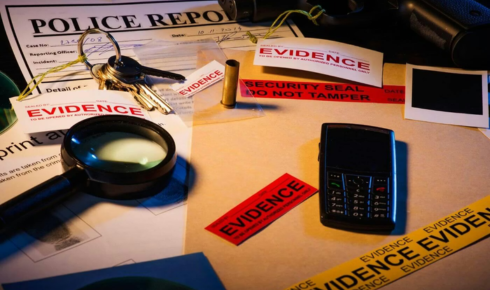
Modern criminal trials increasingly rely on forensic evidence – DNA profiles, fingerprints, call data records, CCTV footage, emails, server logs, and more. These tools can be extremely powerful, but only if properly collected and presented.
One key concept is chain of custody. This means every piece of evidence should have a clear, documented journey: who collected it, how it was sealed, where it was stored, when it was sent to the lab, who handled it there, and how it reached court. Any unexplained gap can raise doubts about tampering.
DNA evidence can link a suspect to a crime scene, but it must be interpreted carefully – presence alone doesn’t always mean guilt; context matters. Similarly, digital evidence like chats or emails must be authenticated. Courts look at metadata, server confirmations, and expert testimony to ensure that files are genuine and not manipulated.
Defence lawyers often attack forensic evidence on procedural grounds: improper collection, lack of accreditation, poor documentation. Prosecution, on the other hand, emphasises scientific reliability and expert opinions.
Forensic tools are not magic; they are just another part of the overall puzzle. A fair trial combines science with common sense, witness testimony, and legal safeguards.